Observe the place you actually have
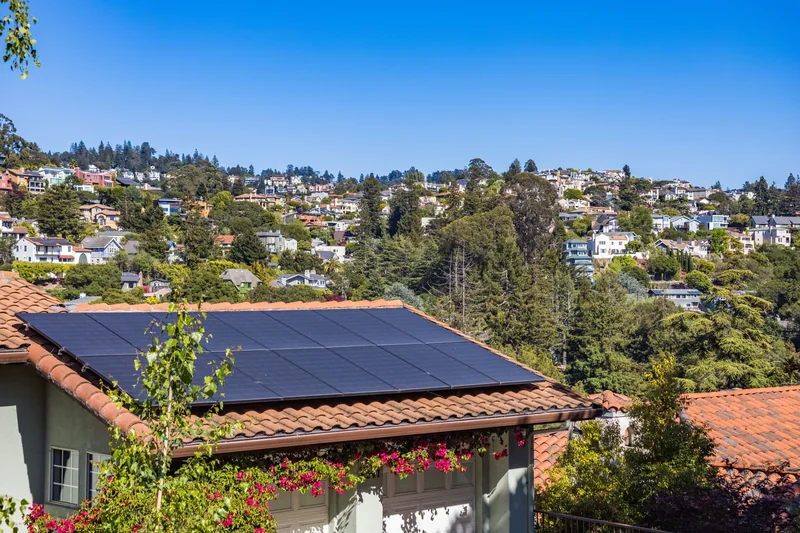
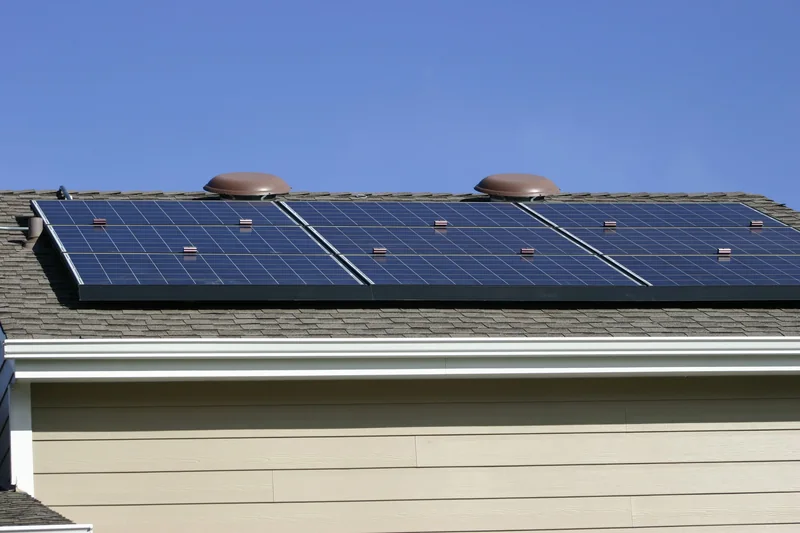
The useful question is not whether your city is sunny in general. It is what happens at the place where your panels could go. A neighboring balcony, railing or tree can affect that location differently through the day.
Take notes from a normally accessible, safe position. This checklist does not require climbing, opening electrical equipment or testing a circuit. Structural fixing and electrical suitability belong with the relevant qualified person.
Use this short observation sheet
| Record | What to write down | Why it helps |
|---|---|---|
| Space | Usable width and height, access that must stay clear | Tests whether the proposed layout fits |
| Orientation | Direction the panel face would point, and proposed tilt | Chooses a relevant weather reference |
| Shade | Object, time, date and the area affected | Reveals a changing pattern that one percentage can hide |
| Permissions | Owner, landlord or other approval still needed | Keeps permission separate from a savings estimate |
| Installation questions | Fixing, weather exposure and cable route to discuss | Gives an installer a concrete brief |
Three photos tell more than one sunny moment
As a starting exercise, observe the same location in the morning, around midday and later in the afternoon. Put the date and time beside each photograph. This is a useful record of that day, not a year-round shade survey.
Imagine a railing that shades the lower portion of a panel in the morning but not at midday. “The location is sunny” loses that distinction. Record the pattern before choosing a rough shade allowance, and ask a professional if the effect on the proposed equipment is unclear.
Translate observations into calculator inputs
Select the closest available reference climate and a supported orientation. The calculator includes a small set of bundled locations; it does not produce a survey for your exact address. Keep a note if your real tilt or direction differs from the available options.
The shading input applies a simplified reduction to reference production. Try a few explicitly labeled assumptions to understand sensitivity. It cannot reproduce the electrical effects of a moving shadow across a particular panel layout, and a city selection does not confirm local installation permission.
Leave with a decision, or a better question
If you have a plausible location and the missing checks are clear, move on to electricity use and costs. If there is no suitable space, stop sizing a battery and resolve the site first. If two locations seem plausible, save separate notes and compare them with the same electricity and cost assumptions.
Your finished site brief should contain observations, uncertainties and the name of the person or organization that can resolve each uncertainty. Keep precise addresses and identifying photographs out of shared calculator exports.
Sources & further reading
Worked examples use assumed values and are not product tests. A question or correction? Contact the publisher.
Make it personal
Turn a useful guide into your own comparison.
Put your notes into a comparison with and without storage. Change an assumption and see what it affects.
Compare solar & storageCheck the rules first